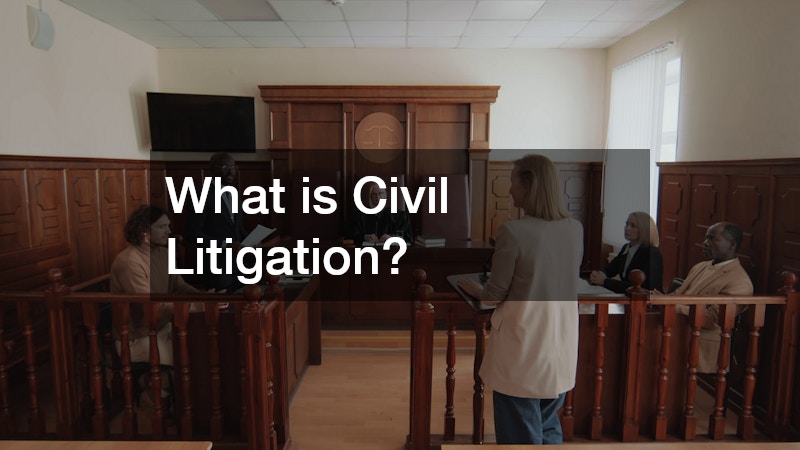
Civil litigation plays a crucial role in the legal landscape, serving as a cornerstone for the non-criminal disputes resolution system. It encompasses a wide array of cases where individuals or companies seek remedies in the form of monetary compensation or specific performance. Understanding civil litigation is essential as it allows parties to resolve disputes in a formal legal setting and ensures the enforcement of rights and obligations. This article aims to provide a comprehensive overview of what civil litigation entails, the processes involved, the types of cases, and other pertinent aspects that govern this judicial mechanism. Readers will find insights into the intricacies of each stage of civil litigation and the potential alternatives to trial, like mediation, that could facilitate more efficient dispute resolution.
1. What is the Process of Civil Litigation?
a. Filing a Complaint
The civil litigation process begins when the plaintiff files a complaint, laying the groundwork for the legal action. This document essentially details the plaintiff’s allegations against the defendant and states the legal basis for the case. Filing a complaint requires knowledge of jurisdiction, ensuring that the complaint is submitted to the appropriate court with authority over the matter. A well-drafted complaint sets the tone for the litigation process, outlining the relief sought by the plaintiff. Attention to detail at this stage is vital as it initiates formal proceedings and communicates the seriousness of the plaintiff’s claims.
b. Serving the Defendant
Subsequent to filing the complaint is the process of serving the defendant, a crucial step that ensures the defendant is properly notified of the legal action. Proper service of process is mandated by law to ensure fairness and allow the defendant ample opportunity to respond. Service typically involves the delivery of legal documents, such as the summons and complaint, directly to the defendant or through legally acceptable means. Ensuring accurate service is paramount since a failure to properly serve the defendant might lead to delays or dismissal of the case. This procedural safeguard is designed to uphold the defendant’s right to due process and the opportunity to mount a defense.
c. Pre-Trial Motions and Discovery
Pre-trial procedures encompass motions and discovery, critical phases that influence the direction of the case. During this stage, parties engage in discovery, exchanging information and gathering evidence to prepare for trial. Motions may be filed to resolve specific issues before trial, such as dismissing part of the case or requesting summary judgment. The discovery process can be extensive, requiring parties to share documents, attended depositions, and produce expert testimony. It is a period of strategic planning as the evidence gathered here plays a significant role in trial readiness and can significantly influence settlement discussions.
2. What Types of Cases are Considered Civil Litigation?
a. Contract Disputes
Civil litigation often includes contract disputes, wherein parties allege breaches of agreement terms. Contract disputes arise when one party fails to fulfill its contractual promises, leading the aggrieved to seek legal remedy. These cases encompass a range of issues, from non-payment to failure of performance or delivery of goods and services as per the contract. The courts play an essential role in interpreting contract language and assessing damages to ensure the injured party is compensated. Contract disputes illustrate the importance of clear terms and mutual understanding in business relationships, mitigating potential future conflicts. A civil litigation lawyer can help to draft or dispute existing contracts.
b. Property Disputes
Another significant area of civil litigation is property disputes, which deal with questions of ownership, rights, and land use. Such cases can involve issues like boundary disagreements, tenant-landlord conflicts, and disputes over easements or rights of way. Resolving property disputes often requires expert testimony and an in-depth understanding of property law to determine rightful ownership and entitlements. Courts aim to establish clear titles and resolve any ambiguities related to property ownership or boundary violations. Property disputes highlight the impact of civil litigation in ensuring peaceful coexistence and orderly development of land and real estate interests.
c. Torts and Personal Injury
Torts and personal injury cases constitute a large portion of civil litigation, focusing on wrongs that result in injury or harm to individuals. A tort involves a breach of a legal duty that results in harm to another person, prompting the injured party to seek compensation for damages. Examples include negligence, defamation, and accidents caused by reckless behavior. These cases often necessitate thorough investigation, expert witness testimony, and medical evidence to establish liability and quantify damages. By holding wrongdoers accountable, tort litigation serves as both a deterrent against negligent conduct and a means of redress for victims.
3. How Long Does Civil Litigation Take?
a. Factors Affecting Duration
The duration of civil litigation is subject to numerous factors, ranging from the case’s complexity to the parties’ willingness to settle. Each case is unique, with timelines influenced by the volume of evidence, number of parties involved, and the need for extensive discovery. External factors, such as court backlogs and availability of judges, can also prolong the legal process. Additionally, strategic maneuvering by parties, such as filing numerous motions, may extend case timelines to gain leverage. Understanding these factors helps manage expectations and prepare for the duration of legal proceedings, emphasizing the importance of efficient case management.
b. Court Scheduling Delays
Court scheduling delays are a common hurdle in civil litigation, attributed to a congested legal system striving to manage its caseload. The availability of courtrooms, judges, and legal staff can create bottlenecks that delay hearings, trials, and judgments. These delays are often exacerbated in jurisdictions with high volumes of litigation, impacting the speed at which cases progress through the system. Parties should anticipate and plan for potential scheduling concerns, considering it as part of their litigation strategy. By doing so, they can better navigate the process and mitigate the impact of delays on their overall case timeline.
c. Complexity of the Case
The complexity of a case significantly impacts how long civil litigation takes, with intricate cases invariably requiring more time to resolve. Complex litigation involves extensive legal analysis, multiple parties, or broad legal issues that demand comprehensive examination. Such cases may include intricate details, voluminous documents, and in-depth expert witness testimonies. The time required to dissect and present this information inevitably extends the proceedings, making it crucial for legal teams to approach these cases methodically. Complexity necessitates thorough preparation and an understanding of the intricate legal and factual nuances that define the case.
Civil litigation constitutes a fundamental aspect of the legal system, providing a structured and formal process for resolving non-criminal disputes. It involves a series of steps from filing a complaint to trial and judgment, with varied options like mediation offering viable alternatives. Civil litigation encompasses different case types, including contract disputes, property issues, personal injury claims, class actions, and family law matters. Understanding both the procedural elements and potential costs is critical for parties navigating this legal avenue. Ultimately, civil litigation remains essential in upholding justice, protecting rights, and ensuring the fair and equitable resolution of conflicts.
About the Author