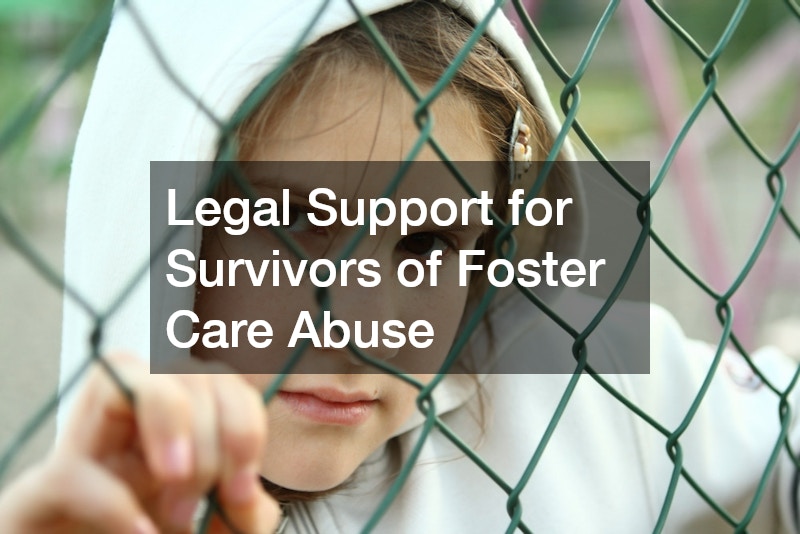
Understanding the systemic issues in foster care and the legal avenues available for survivors of abuse is crucial. This article delves into the legal support systems and common concerns faced by survivors seeking justice and redress, providing a comprehensive overview of the protective measures and challenges in this field.
Foster care is intended to be a safe haven for children, but unfortunately, cases of abuse within this system highlight significant systemic failures. Addressing these issues requires a multifaceted approach that includes legal intervention, reform, and advocacy to protect vulnerable children and support survivors in their pursuit of justice. Legal frameworks, both at federal and state levels, play a critical role in shaping the experiences of survivors who seek to assert their rights and obtain redress for the wrongs they have endured.
In this article, we will explore the legal rights of survivors of foster care abuse, examine how they can access legal representation, and discuss the challenges they may face during legal proceedings. By shedding light on these crucial aspects, we aim to emphasize the importance of legal support systems and the urgent need for systemic reform to ensure the protection and empowerment of foster care survivors.
1. What Legal Rights Do Survivors of Foster Care Abuse Have?
1.1 Federal Laws and Protections
The Child Abuse Prevention and Treatment Act (CAPTA) is a pivotal federal law designed to provide protection and support for foster care children and survivors of abuse, though its application can sometimes be limited due to varying state implementations. CAPTA was established to set minimum standards for states in responding to child abuse and neglect, and its provisions include requirements for reporting abuse, investigation, and treatment programs intended to enhance the safety and well-being of children. However, the effectiveness of CAPTA in protecting foster care children can be inconsistent due to heterogeneous state applications and a lack of robust federal oversight.
1.2 State-Specific Laws and How They Differ
Legal protections for survivors of foster care abuse vary significantly between states, with some states offering more comprehensive support mechanisms than others, including specific statutes that focus on accountability and compensation for victims. For instance, while some states have enacted laws that extend the statute of limitations for reporting abuse, others may have more restrictive timelines, which can affect the pursuit of justice for survivors. Understanding these variations is crucial for survivors and their legal representatives, as state-specific laws dictate the resources and legal avenues available in pursuing claims of abuse.
This disparity highlights the importance of understanding state-specific laws when pursuing legal redress, underscoring the need for reform and uniformity in protective measures. Survivors often face additional challenges when they must navigate complicated legal landscapes that differ from one jurisdiction to another, making it essential for their legal advocates to possess a thorough knowledge of both local and statewide regulations and support systems. A survivor’s ability to successfully pursue their case can be contingent on the effectiveness of the legal counsel they receive and their advocate’s familiarity with the nuances of state law.
2. How Can Survivors Access Legal Representation?
2.1 Pro Bono Legal Services and Organizations
Organizations such as the National Foster Youth Institute and Children’s Defense Fund provide essential pro bono legal services to survivors of foster care abuse, aiming to bridge the gap between those in need and available legal resources. Through these organizations, survivors can access a wealth of support services tailored to their unique needs, including legal advice, representation, and advocacy efforts. Additionally, initiatives such as the American Bar Association’s Commission on Homelessness and Poverty have developed resource programs specifically designed to assist foster youth and those who have aged out of the system.
These organizations often have networks of volunteer attorneys who can offer free legal advice, ensuring that financial constraints do not impede access to justice for survivors. Many lawyers choose to dedicate a portion of their practice to pro bono work, driven by a commitment to social justice and the belief that survivors of abuse deserve judicial redress regardless of their economic status. By seeking assistance from such organizations, survivors can connect with experienced advocates equipped to navigate the complexities of the legal system and ensure they receive personalized support.
2.2 Steps to Find and Choose the Right Attorney
When seeking legal representation, survivors should consider contacting local bar associations, which often offer referral services to attorneys experienced in child welfare and abuse cases, ensuring informed decisions in attorney selection. Local bar associations typically maintain databases of attorneys who specialize in specific areas of law, providing survivors with the opportunity to connect with legal professionals familiar with the intricacies of foster care and abuse cases.
It’s important for survivors to inquire about an attorney’s experience with foster care abuse cases, as specialized knowledge can be crucial in navigating the complexities of such legal proceedings. Understanding the particulars of the child’s rights within the system, the nuances of documentation and evidence in abuse cases, and the potential challenges in litigation require a high degree of expertise and familiarity with both state and federal child welfare laws. These factors are key when evaluating potential legal representation, ensuring that survivors receive the best possible support throughout their legal journey.
3. What Challenges Do Survivors Face in Legal Proceedings?
3.1 Emotional and Psychological Barriers
Survivors of foster care abuse often face significant emotional and psychological challenges when engaging in legal proceedings, which can be exacerbated by recounting traumatic experiences in court. These challenges arise from the re-traumatization associated with sharing personal and painful accounts of abuse, often in environments that may feel hostile or unsupportive. Therefore, it is crucial to provide survivors with access to a compassionate foster care sexual abuse lawyer and emotional support services.
These emotional hurdles may be compounded by the stress of navigating a complex legal system, impacting survivors’ ability to fully participate and advocate for their own cases. The formality and adversarial nature of legal proceedings can create additional barriers for survivors who may have limited experience interacting with such institutions. Providing survivors with appropriate mental health support can serve as a vital tool to mitigate such stress, empowering them to engage more confidently in the legal process.
3.2 Legal Hurdles and Systemic Roadblocks
Systemic roadblocks, such as limited access to qualified legal counsel and the intricacies of child welfare law, often pose significant challenges for survivors seeking justice. These complexities can lead to survivors feeling overwhelmed and unable to effectively navigate the legal system on their own, highlighting the importance of comprehensive legal support. Moreover, the jurisdictional dynamics between federal and state child welfare laws can further complicate legal actions, necessitating the need for experienced counsel versed in both areas.
About the Author